

Bolt has reported a major shift within Kenya’s ride-hailing scene after confirming that electric motorbikes now make up more than 40 per cent of its motorbike fleet, giving the platform the largest share of electric bikes in the industry nationwide.
The company has also crossed its target for next year by onboarding over 1,700 riders under M-Kopa’s financing programme, widening access to affordable electric mobility earlier than expected.
The latest figures place the subject of the announcement, Bolt’s electric bike expansion, at the centre of ongoing efforts to lower emissions and reduce daily operating costs for riders.
The partnership with M-Kopa has enabled riders to obtain electric bikes through flexible payment plans, a model that has lowered fuel and servicing expenses for those switching from petrol-powered options.
Dimmy Kanyankole, Senior General Manager, East Africa, said that Kenya’s progress in adopting clean mobility solutions continues to accelerate and confirmed the significance of the company’s latest achievements.
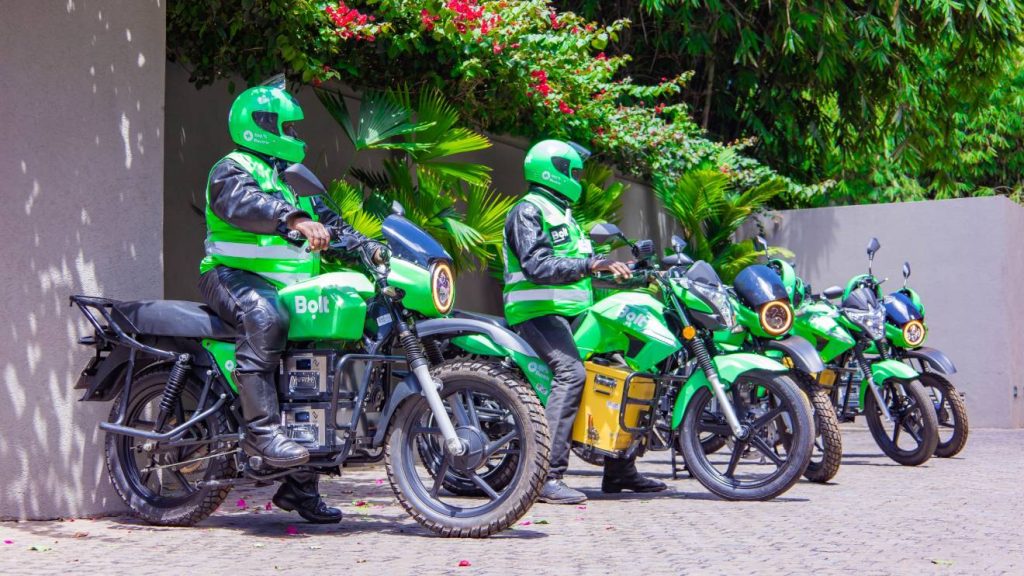
“Kenya is at the forefront of clean mobility in Africa, and today’s announcement marks a pivotal step in scaling practical, affordable and sustainable transport solutions,” Kanyankole stated.
“By reaching over 40 per cent electric bike penetration and onboarding 1,700 M-KOPA-supported riders, we are demonstrating that sustainability and improved rider livelihoods can go hand in hand.”
The growing number of electric bikes on the platform has offered riders consistent daily savings, especially in major towns where fuel costs and maintenance demands for petrol bikes remain high.
With transport ranked among the country’s fastest-expanding sources of emissions, the uptake of electric vehicles in ride-hailing is increasingly viewed as a practical tool to support national climate and air-quality goals.
M-Kopa, which has played a central role in providing flexible financing, acknowledged the momentum behind the partnership.
Nena Sanderson, Chief Product Officer and Managing Director, M-Kopa Mobility, noted that the partnership has shown how easing financial barriers encourages riders to switch to cleaner transport.
“Our partnership with Bolt is proving that when financing barriers are removed, riders are eager to adopt cleaner and cheaper electric alternatives. Reaching 1,700 riders is just the beginning, we are committed to scaling this impact even further,” Sanderson said.
Bolt’s end-of-year data points to a growing appetite for electric options, with 4.8 million rides completed on electric bikes over the past twelve months.
The company attributes this increase to riders’ shifting preferences and Kenya’s position as one of the continent’s strongest emerging markets for e-mobility.
To sustain the momentum, Bolt plans to widen its electric bike portfolio through additional financing arrangements, expanded rider-support initiatives and new collaborations with manufacturers and charging infrastructure providers.
The company aims to keep lowering the barriers to electric mobility as the country continues its transition towards cleaner transport.