Maasai Mara: Building sustainable businesses to protect nature
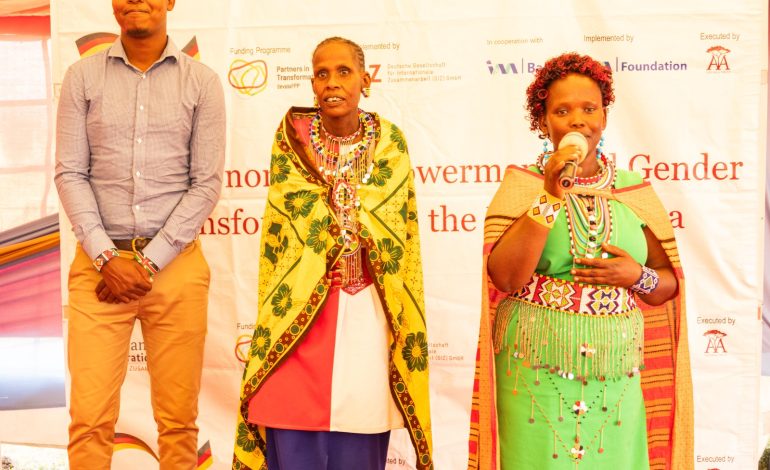
In the Maasai Mara in Narok County, conservation has transformed from just protecting wildlife in the park to protecting livelihoods too.
A quiet transformation is unfolding in the vast ecosystem that supports one of the world’s most famous wildlife reserves, driven by tourism and local entrepreneurs trying to build sustainable businesses in communities often left out of the wealth generated around them.
That change is now receiving a significant boost through a Sh230 million initiative backed by I&M Bank Kenya, I&M Foundation and GIZ under Germany’s develoPPP programme.
The momentous initiative, implemented in collaboration with The Maa Trust, seeks to boost livelihoods while linking economic opportunity directly to environmental conservation.
The programme is centered on a growing recognition that conservation cannot survive where communities remain economically vulnerable.
The initiative recently culminated in “The Predators’ Den,” an entrepreneurship competition that saw 140 entrepreneurs from seven communities across the Greater Mara Ecosystem receive training in business development, financial literacy and pitching skills.
The ideas reflected the realities of life in the Mara: water access, clean products, digital services, food production and eco-friendly businesses designed around local challenges.
Nine entrepreneurs ultimately secured funding and support through the ambitious and life-changing programme.
Among them was bakery entrepreneur Carl Leitato Naurori, who received a total of Sh250,000 to scale her business that is expected to create tens of jobs locally.
Another winner, Martin Kiok, earned a Sh650,000 scholarship through his cyber café initiative, which is helping equip young people in the region with digital skills.
Other winning ventures ranged from poultry farming and livestock enterprises to honey production and water-related businesses.
The programme by I&M Foundation highlights a broader change in how sustainability is being approached in Kenya’s conservation spaces.
For years, communities living around major wildlife ecosystems have often borne the environmental costs of conservation without fully benefiting from its economic returns.
Youth unemployment, limited business opportunities and dependence on fragile income streams have continued to threaten both livelihoods and conservation outcomes.
Now, organisations are increasingly viewing entrepreneurship as part of the solution.
“We believe that empowering entrepreneurs is one of the most effective ways to create sustainable change,” said Dipnah Shah, the Sustainability Lead at I&M Foundation.
Also Read: Modernising dairy plants can cut emissions by up to 49 per cent, new Tetra Pak study finds
The Maa Trust indicated that the long-term future of the Maasai Mara reserve is dependent on communities seeing direct value in protecting the ecosystem.
“By linking entrepreneurship with conservation, we are enabling communities to benefit directly from preserving their natural environment,” indicated CEO Dr Crystal Mogensen.
The Maasai Mara remains one of Africa’s most important ecological landscapes, sustaining wildlife, tourism and pastoralist communities.
However, beneath the picture-perfect postcard imagery lies a growing pressure point: how to ensure conservation also delivers economic dignity.
That challenge is becoming more urgent as climate pressures, unemployment and changing utilization of land continue to reshape rural economies.
Initiatives like this one may not resolve all those problems overnight, but point to an emerging reality that conservation can no longer be separated from economic inclusion.
Because in places like the Maasai Mara, protecting nature increasingly depends on whether communities themselves can thrive alongside it.