Modernising dairy plants can cut emissions by up to 49 per cent, new Tetra Pak study finds
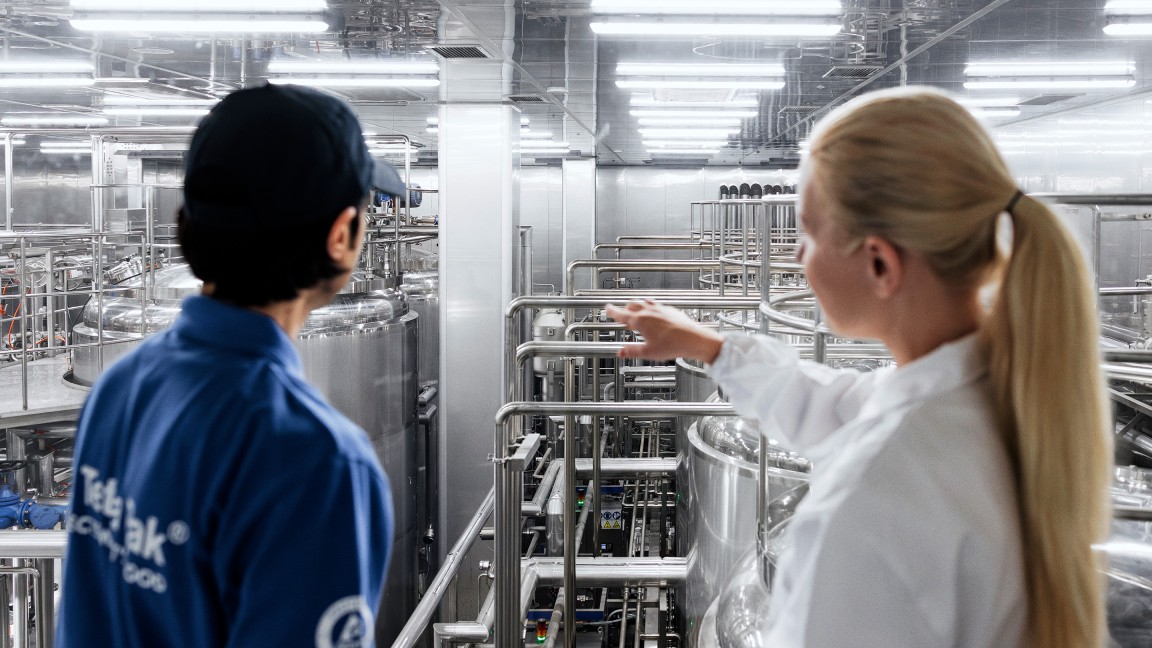
A new study by Tetra Pak shows that upgrading existing dairy processing lines could cut greenhouse gas emissions by up to 49 per cent.
According to the study by the machine and packaging manufacturer, such reduction in carbon emissions will offer producers a faster and more affordable path to cleaner manufacturing.
The assessment, independently reviewed by Carbon Trust, found that modernising current equipment, without replacing entire factories, can also reduce water use by 45 per cent and product losses by 57 per cent.
That matters for a sector which is facing growing pressure to lower costs while reducing its environmental footprint.
Big Climate Opportunity
The global dairy industry accounted for about 2.7 per cent of greenhouse gas emissions in 2023 and remains a heavy user of water and energy.
However, the report argues that many gains can be achieved immediately using technologies already available in the market.
If adopted at scale worldwide, the upgrades could save up to 12.7 million tonnes of CO₂ equivalent annually, the same as removing roughly three million vehicles from the road.
Water-saving systems such as advanced filtration and improved cleaning processes could also reduce global dairy water use by up to 455 million cubic metres each year.
“Our study shows that practical improvements to existing lines can reduce energy, water, and product loss, helping customers strengthen performance and lower total cost of ownership without major disruption,” Godoi noted.
He added: “And with supportive policy frameworks and access to targeted financial incentives, these improvements can be scaled even further, helping producers overcome upfront investment barriers and accelerating progress across the dairy sector.”
What Needs to Change
The study highlights several practical upgrades already in use across modern plants, including:
- Electric heat pumps to reduce reliance on fossil-fuel boilers
- Streamlined processing systems that use less steam and electricity
- Filtration and recovery systems that reduce waste and save water
Tetra Pak revealed that the findings show improvements in sustainability do not always require expensive overhauls, but smarter use of existing assets.
Why It Matters for Africa
The findings are especially relevant for African dairy markets, including Kenya, where milk processing is pivotal to food security and rural incomes.
Modern, efficient plants can lower operating costs, improve resilience against rising energy prices and reduce pressure on water resources, all while helping processors meet growing sustainability expectations from consumers and export markets.
Carbon Trust Associate Director for Europe Veronika Thieme noted that the global food systems offer significant decarbonisation opportunities.
“Assessing avoided emissions is a powerful way to understand the carbon savings these solutions can deliver,” said Thieme.
She added: “By quantifying the avoided emissions from new solutions that can help the agricultural industry cut emissions, we create the evidence base needed to scale them.”
Tetra Pak Vice President, Processing Portfolio Management Rodrigo Godoi indicated that improving efficiency while managing costs is a daily challenge for many dairy producers.