
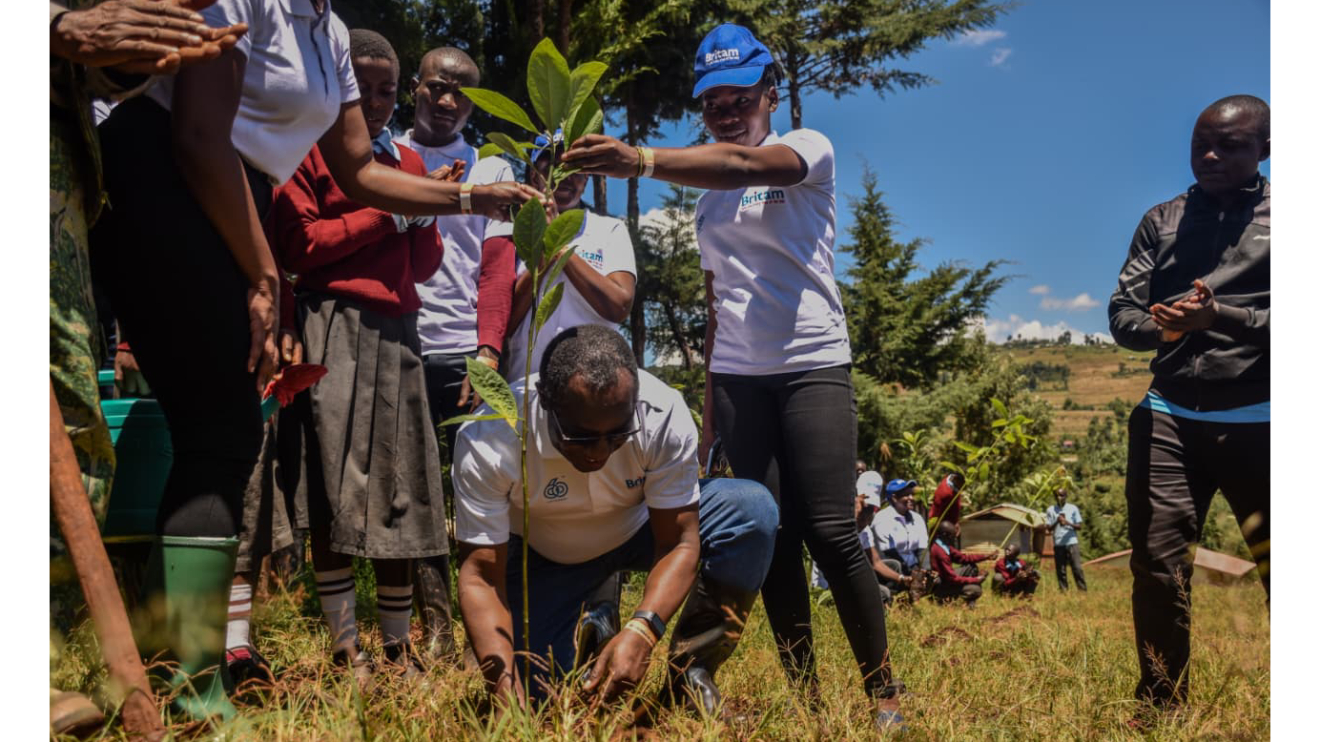
Kenya’s Mazingira Day celebration this year took a new turn, with the national tree planting campaign shifting its spotlight to fruit trees aimed at improving nutrition while restoring the environment.
Kiptogot Forest in Mt Elgon, Trans-Nzoia County, was among the main areas targeted for rehabilitation, where more than 200,000 trees were planted.
The exercise supports Kenya’s wider ambition of growing 15 billion trees by 2032, a government plan meant to curb the effects of climate change and increase forest cover across the country.
Mount Elgon, one of Kenya’s major water towers, has been classified as a high-priority conservation zone due to its crucial role in water supply, biodiversity, and agriculture in western Kenya.
Environmental experts have warned that without deliberate restoration, the region risks losing vital catchment areas with long-term effects on both people and wildlife.
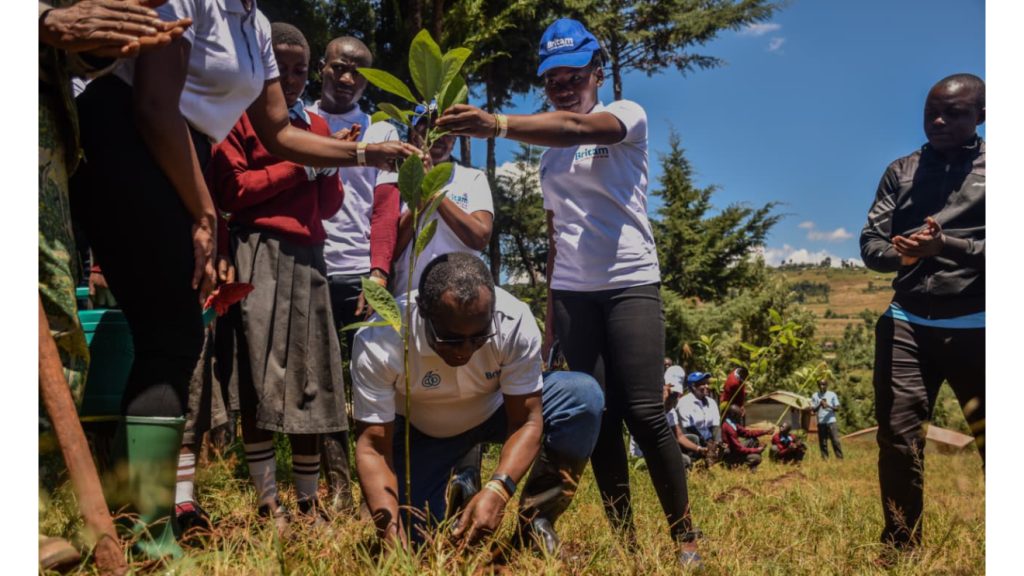
The day’s focus on fruit trees reflected a growing awareness of how environmental and nutritional challenges intersect.
Planting fruit-bearing trees in schools is expected to provide a steady supply of fresh produce, improving children’s diets and supporting better learning outcomes, particularly in rural communities where access to nutritious meals is often limited.
In support of the national reforestation agenda, Britam Group announced plans to plant 60 million trees within the next five years.
During the Kiptogot exercise, Britam Chief Executive Officer Ambrose Dabani reaffirmed the company’s commitment to long-term sustainability.
“We are here today to plant 200,000 trees in collaboration with Jumbo Charge,” Dabani said.
“This marks the beginning of our broader vision to plant 60 million trees within five years in response to the government’s call for climate action.”
He explained that the project began in Mt Elgon because of its ecological importance and strong local partnerships.
“We identified Kiptogot through Jumbo Charge, who have been actively engaging the local community,” he said.
“Their presence makes it easier to involve and empower residents in tree planting and conservation.”
Dabani underscored the need to involve school children, saying their participation links conservation with learning and nutrition.
“We are at Lutaso Primary School, and intentionally involving pupils serves two purposes: first, it aligns with the government’s directive for schools to plant fruit trees for nutritional value; second, it instills in them the responsibility of becoming future custodians of the environment,” he said.
He added that Britam had already put in place measures to ensure the young trees thrive beyond the planting stage.
“We have engaged the local community to protect the trees, and we are partnering with the Kenya Forest Service and Community Forest Associations to monitor and manage growth effectively,” Dabani said.
At Kiptogot Forest, Kenya Forest Service Station Manager Marvin Omondi outlined the challenges facing the forest’s management.
“Kiptogot covers 10,243 hectares, with 58 per cent being natural forest. Illegal grazing, logging, and wildlife encroachment are major issues,” he said.
Omondi urged locals to support the reforestation efforts by keeping livestock away from newly planted areas to prevent damage.
He also reminded the public that the Kenya Forest Service’s mandate goes beyond gazetted forests to include the conservation of community-managed woodlands across the country.
As the sun set over Mt Elgon, rows of seedlings stretched across the hillsides, a living symbol of Kenya’s renewed drive to restore its landscapes, nourish its people, and secure a greener future.